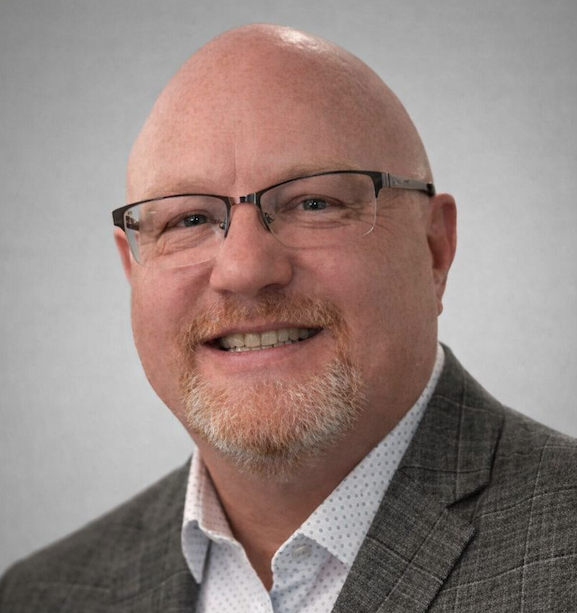
Built by a Doctor for Doctors: Why That Actually Matters in an EMR
Introduction
There's a common complaint among physicians about most EMR systems: they feel designed by people who have never seen a patient. Complex menus, counter-intuitive workflows, excessive clicking, and documentation requirements that seem disconnected from how real clinical encounters actually flow. The result? Burnout, after-hours charting, and providers who spend more time managing software than caring for patients. OneTouch EMR was built differently — by a practicing medical doctor, for doctors.

What "Built by a Doctor" Really Means
When a physician designs an EMR, the priorities shift. Instead of prioritizing data architecture or regulatory compliance checklists, the focus becomes: How does a doctor actually think during a patient encounter? What information do they need at a glance? What documentation tasks slow them down the most? The result is software that mirrors clinical reasoning — not the other way around. OneTouch EMR was designed to look and feel familiar from day one, so new users spend less time learning the software and more time with their patients.
The Problem With Engineer-Designed EMRs
Traditional EMRs are often built by software developers working from regulatory requirements, insurance workflows, and enterprise sales checklists. The clinical user experience is an afterthought. The evidence is visible in the data: physicians using EHR systems spend an average of 2 hours on administrative tasks for every hour of direct patient care. That imbalance is not sustainable for independent practices.
•Excessive mandatory fields that don't apply to most encounters
•Poor mobile and tablet usability
•Navigation designed around billing codes rather than clinical logic
•Templates that require heavy customization to reflect specialty workflows
How OneTouch EMR Reflects Real Clinical Workflows
Because it was designed by a clinician, OneTouch EMR organizes information the way a provider thinks during a visit — from chief complaint to assessment and plan. Common documentation tasks require fewer clicks. Templates are built around specialty-specific workflows. The iPad app supports touch-based documentation that feels natural in an exam room. Providers can customize their own documentation experience without relying on IT support.
What Doctors Are Saying
The proof is in practice. OneTouch users consistently report faster documentation times, easier onboarding, and less frustration compared to systems they've used before — including major platforms like eClinicalWorks, AthenaHealth, and Clear Practice. One neurologist described OneTouch as 'heads and shoulders above the rest' after switching from a competing platform. A urologist was generating fast-paced clinical notes within 15 minutes of first using the system.
Why This Matters for Your Practice
When your EMR works the way your clinical mind works, everything improves. Documentation gets faster, which means more time with patients or earlier departure from the office. Staff onboarding is quicker, reducing training costs. Provider satisfaction increases, which has a measurable impact on retention. And when you're not fighting your software, you can focus on what you went to medical school to do: deliver excellent patient care.
Conclusion
The origin of an EMR matters. Software designed by clinicians, for clinicians, reflects a fundamentally different set of priorities than enterprise software built to satisfy IT departments. OneTouch EMR's physician-designed foundation is not a marketing tagline — it is a structural advantage that shows up every day in how quickly providers can document, how easily staff can onboard, and how much smoother a practice runs.
Ready to See the Difference?
Request your free demo of OneTouch EMR at onetouchemr.com and experience the difference a physician-designed platform makes from your very first login.